HTML Test: Difference between revisions
Jump to navigation
Jump to search
Replaced content with "<html> <!-- ========================= TFR HEADER ========================= --> <div style=" display:flex; align-items:center; width:100%; border-bottom:1px solid #a2a9b1; padding-bottom:3px; margin-bottom:0.25em; "> <img src="https://asxresearch.org/images/f/f5/TFR_190_x_82.png" style=" width:81px; height:35px; display:block; " alt="TFRs"> <span style="..." Tag: Replaced |
No edit summary |
||
| Line 1: | Line 1: | ||
<html> | <html> | ||
<!-- | <!-- TFR HEADER --> | ||
<div style=" | <div style=" | ||
display:flex; | display:flex; | ||
| Line 15: | Line 12: | ||
<img src="https://asxresearch.org/images/f/f5/TFR_190_x_82.png" | <img src="https://asxresearch.org/images/f/f5/TFR_190_x_82.png" | ||
style=" | style="width:81px; height:35px; display:block;" | ||
alt="TFRs"> | alt="TFRs"> | ||
| Line 40: | Line 33: | ||
top:3px; | top:3px; | ||
" | " | ||
alt=" | alt="TFRs"> | ||
</div> | </div> | ||
<!-- | <!-- TFR CONTENT --> | ||
<div style=" | <div style=" | ||
display:block; | display:block; | ||
| Line 60: | Line 50: | ||
"> | "> | ||
<div style=" | <div style="margin:0 0 8px 0; padding:0;"> | ||
<b>▶ Temporary Flight Restrictions (TFRs)</b> are regulatory airspace restrictions established for a specific area and period of time to protect persons or property in the air or on the surface, provide a safe environment for disaster relief and emergency operations, protect certain governmental or public activities, or address other temporary hazards and security requirements. TFRs may be issued for wildfires, disaster areas, major public events, VIP movements, space operations, air shows, security events, and other circumstances requiring temporary control of the airspace. Because TFRs can be established or changed rapidly, pilots must specifically check for applicable TFRs during preflight planning and remain aware of changes that may occur after departure. <b><span style="color:#B00000; font-weight:bold;">ENTERING AN ACTIVE TFR WITHOUT AUTHORIZATION CAN CREATE A SERIOUS FLIGHT-SAFETY HAZARD and may result in interception, enforcement action, certificate sanctions, or other consequences.</span></b> A TFR should never be treated as merely another item in a briefing; its location, dimensions, altitude limits, effective times, operating restrictions, and authorization requirements must be understood before operating anywhere near the affected airspace. | <b>▶ Temporary Flight Restrictions (TFRs)</b> are regulatory airspace restrictions established for a specific area and period of time to protect persons or property in the air or on the surface, provide a safe environment for disaster relief and emergency operations, protect certain governmental or public activities, or address other temporary hazards and security requirements. TFRs may be issued for wildfires, disaster areas, major public events, VIP movements, space operations, air shows, security events, and other circumstances requiring temporary control of the airspace. Because TFRs can be established or changed rapidly, pilots must specifically check for applicable TFRs during preflight planning and remain aware of changes that may occur after departure. <b><span style="color:#B00000; font-weight:bold;">ENTERING AN ACTIVE TFR WITHOUT AUTHORIZATION CAN CREATE A SERIOUS FLIGHT-SAFETY HAZARD and may result in interception, enforcement action, certificate sanctions, or other consequences.</span></b> A TFR should never be treated as merely another item in a briefing; its location, dimensions, altitude limits, effective times, operating restrictions, and authorization requirements must be understood before operating anywhere near the affected airspace. | ||
</div> | </div> | ||
<div style=" | <div style=" | ||
| Line 86: | Line 72: | ||
<img src="https://asxresearch.org/images/0/0f/FAA_logo_wide.png" | <img src="https://asxresearch.org/images/0/0f/FAA_logo_wide.png" | ||
style=" | style="width:198px; height:60px; display:block;" | ||
alt="United States Federal Aviation Administration"> | alt="United States Federal Aviation Administration"> | ||
| Line 98: | Line 80: | ||
</div> | </div> | ||
<div style=" | <div style=" | ||
| Line 109: | Line 90: | ||
<b>This is a live feed from the FAA.</b> <i><span style="color:#0050e2;">Scroll window below for current data:</span></i> | <b>This is a live feed from the FAA.</b> <i><span style="color:#0050e2;">Scroll window below for current data:</span></i> | ||
</div> | </div> | ||
<div style=" | <div style=" | ||
| Line 145: | Line 125: | ||
<!-- | <!-- NOTAM HEADER --> | ||
<div style=" | <div style=" | ||
display:flex; | display:flex; | ||
| Line 155: | Line 132: | ||
border-bottom:1px solid #a2a9b1; | border-bottom:1px solid #a2a9b1; | ||
padding-bottom:3px; | padding-bottom:3px; | ||
margin-top: | margin-top:0; | ||
margin-bottom:0.25em; | margin-bottom:0.25em; | ||
"> | "> | ||
<img src="https://asxresearch.org/images/d/d6/NOTAM_190_x_82.png" | <img src="https://asxresearch.org/images/d/d6/NOTAM_190_x_82.png" | ||
style=" | style="width:81px; height:35px; display:block;" | ||
alt="NOTAMs"> | alt="NOTAMs"> | ||
| Line 185: | Line 158: | ||
top:3px; | top:3px; | ||
" | " | ||
alt=" | alt="NOTAMs"> | ||
</div> | </div> | ||
<!-- | <!-- NOTAM CONTENT --> | ||
<div style=" | <div style=" | ||
display:block; | display:block; | ||
| Line 205: | Line 175: | ||
"> | "> | ||
<div style=" | <div style="margin:0 0 8px 0; padding:0;"> | ||
<b>▶ FAA: Notice to Airmen (NOTAM)</b> — a notice containing time-critical information concerning the establishment, condition, or change of a facility, service, procedure, or hazard within the National Airspace System (NAS). Thorough review of applicable NOTAMs is a critical part of preflight planning and continued situational awareness. Runway closures, navigation outages, lighting failures, airspace restrictions, obstacles, and other hazards may not be apparent without consulting current NOTAM information. <b><span style="color:#B00000; font-weight:bold;">FATAL ACCIDENTS DO OCCUR when critical NOTAM information is missed, misunderstood, or inadequately incorporated into flight planning.</span></b> Pilots should know where to obtain authoritative NOTAM information, review it before every flight, and remain alert for changes throughout the operation. | <b>▶ FAA: Notice to Airmen (NOTAM)</b> — a notice containing time-critical information concerning the establishment, condition, or change of a facility, service, procedure, or hazard within the National Airspace System (NAS). Thorough review of applicable NOTAMs is a critical part of preflight planning and continued situational awareness. Runway closures, navigation outages, lighting failures, airspace restrictions, obstacles, and other hazards may not be apparent without consulting current NOTAM information. <b><span style="color:#B00000; font-weight:bold;">FATAL ACCIDENTS DO OCCUR when critical NOTAM information is missed, misunderstood, or inadequately incorporated into flight planning.</span></b> Pilots should know where to obtain authoritative NOTAM information, review it before every flight, and remain alert for changes throughout the operation. | ||
</div> | </div> | ||
<div style=" | <div style=" | ||
| Line 231: | Line 197: | ||
<img src="https://asxresearch.org/images/0/0f/FAA_logo_wide.png" | <img src="https://asxresearch.org/images/0/0f/FAA_logo_wide.png" | ||
style=" | style="width:198px; height:60px; display:block;" | ||
alt="United States Federal Aviation Administration"> | alt="United States Federal Aviation Administration"> | ||
| Line 243: | Line 205: | ||
</div> | </div> | ||
<a href="https://notams.aim.faa.gov/notamSearch/nsapp.html" | <a href="https://notams.aim.faa.gov/notamSearch/nsapp.html" | ||
| Line 263: | Line 224: | ||
</div> | </div> | ||
</html> | </html><br> | ||
<br> | |||
<b>▶ NOTAM Acronyms</b> | <b>▶ NOTAM Acronyms</b> | ||
Revision as of 18:28, 16 August 2026
 TFRs
TFRs
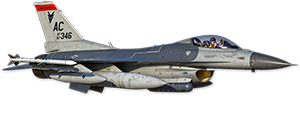
▶ Temporary Flight Restrictions (TFRs) are regulatory airspace restrictions established for a specific area and period of time to protect persons or property in the air or on the surface, provide a safe environment for disaster relief and emergency operations, protect certain governmental or public activities, or address other temporary hazards and security requirements. TFRs may be issued for wildfires, disaster areas, major public events, VIP movements, space operations, air shows, security events, and other circumstances requiring temporary control of the airspace. Because TFRs can be established or changed rapidly, pilots must specifically check for applicable TFRs during preflight planning and remain aware of changes that may occur after departure. ENTERING AN ACTIVE TFR WITHOUT AUTHORIZATION CAN CREATE A SERIOUS FLIGHT-SAFETY HAZARD and may result in interception, enforcement action, certificate sanctions, or other consequences. A TFR should never be treated as merely another item in a briefing; its location, dimensions, altitude limits, effective times, operating restrictions, and authorization requirements must be understood before operating anywhere near the affected airspace.
 FAA Active & Future Temporary Flight Restrictions (TFRs)
Live TFR information supplied by the Federal Aviation Administration.
Always verify TFR and NOTAM information with official FAA sources before flight.
This is a live feed from the FAA. Scroll window below for current data:
 NOTAMs

▶ FAA: Notice to Airmen (NOTAM) — a notice containing time-critical information concerning the establishment, condition, or change of a facility, service, procedure, or hazard within the National Airspace System (NAS). Thorough review of applicable NOTAMs is a critical part of preflight planning and continued situational awareness. Runway closures, navigation outages, lighting failures, airspace restrictions, obstacles, and other hazards may not be apparent without consulting current NOTAM information. FATAL ACCIDENTS DO OCCUR when critical NOTAM information is missed, misunderstood, or inadequately incorporated into flight planning. Pilots should know where to obtain authoritative NOTAM information, review it before every flight, and remain alert for changes throughout the operation.
Access current NOTAMs directly through the Federal Aviation Administration.
▶ NOTAM Acronyms